Holding pressure
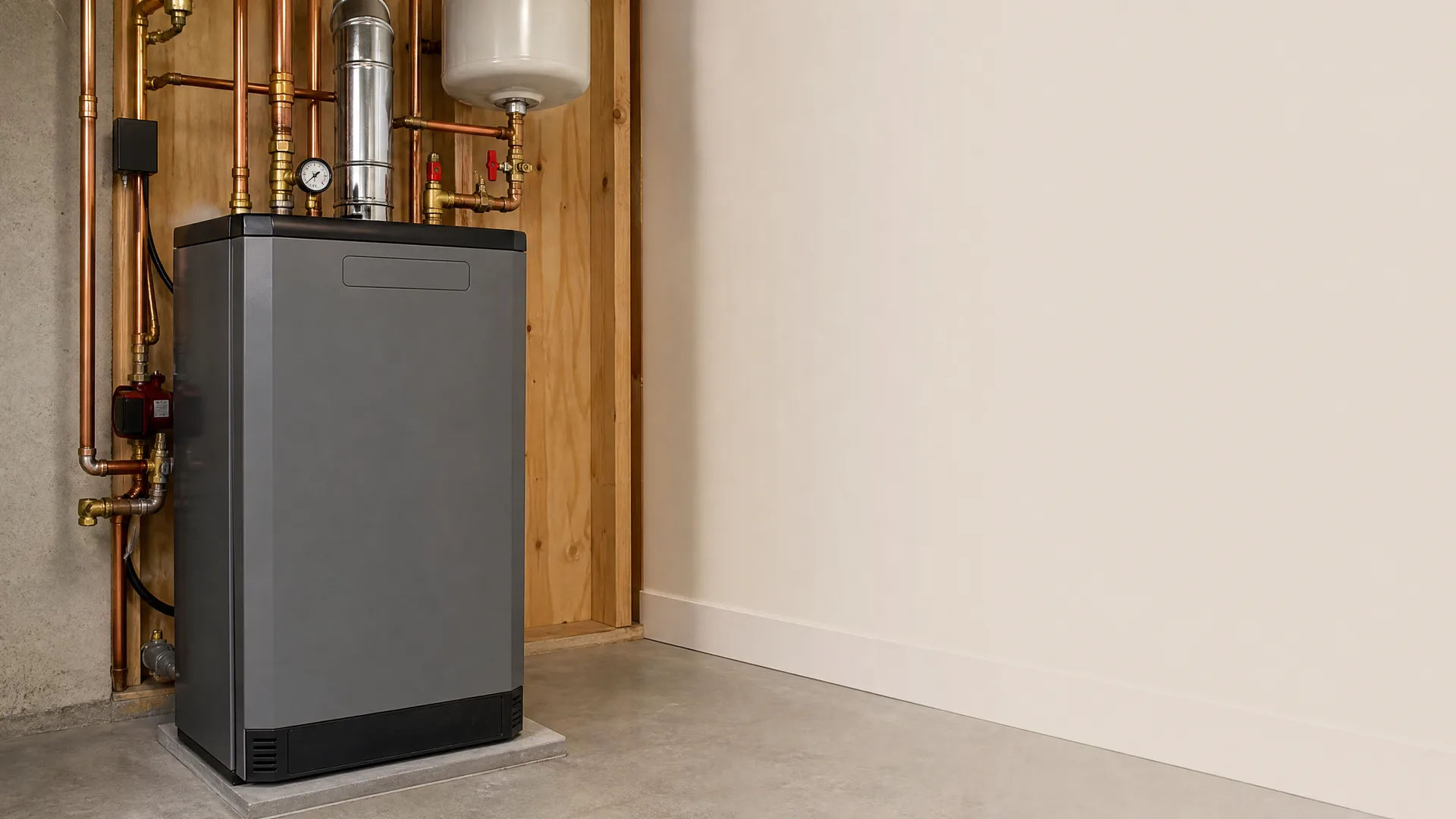
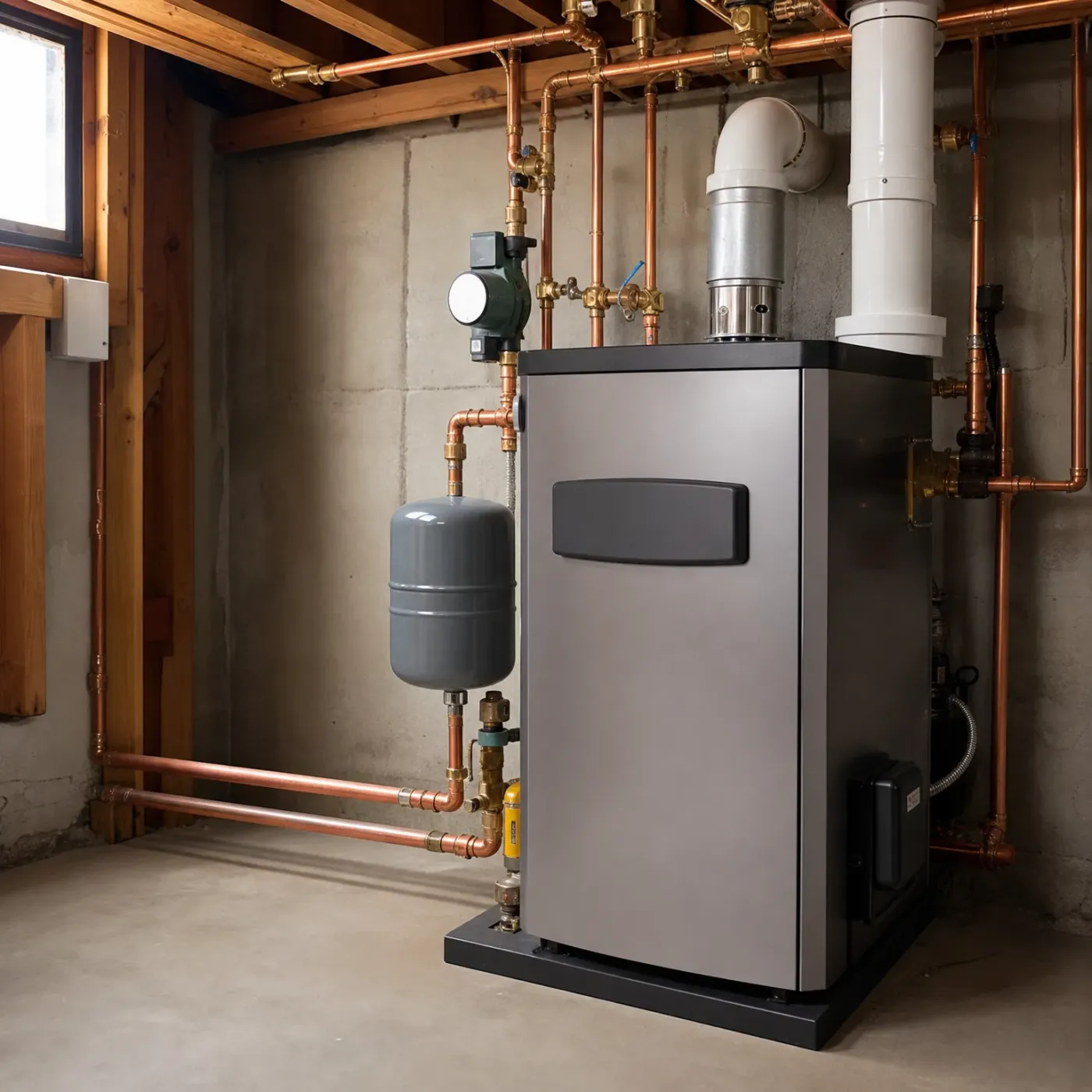
The gauge sits where it should, the pipes and fittings are dry, and the expansion tank is doing its job. A boiler built like this, with the valves and unions kept tight, can run all winter without you touching the pressure once.
A boiler losing pressure almost always means water is escaping somewhere it shouldn't. Usually that's a slow leak at a valve, a fitting, or the pump seal, small enough that you never see a puddle, but steady enough to drain the system over days or weeks. It can also mean the pressure relief valve is opening on its own because the expansion tank has failed, letting water out every time the system heats up. A dry winter climate like Utah's doesn't cause this, but if your boiler sits in an unheated space such as a garage or basement, the parts can corrode faster and a small leak turns into a steady one sooner. Low pressure matters because a boiler isn't supposed to run that way. Most won't fire at all below a certain point, and the ones that do run less efficiently and strain the pump. Topping off the pressure yourself buys time, not a fix. The leak or the failed part is still there, and it gets found by someone who can trace it.
Most slow leaks show up at the pump seal first, since it's the part that's moving every time the boiler fires. Fittings and valve unions come next, especially ones that were last touched during an install or a repair. The water doesn't pool where you'd see it. It weeps along a pipe, dries as it goes, and leaves a faint white or green crust behind. If you can get to the pump and valves, that crust is usually the first real clue.
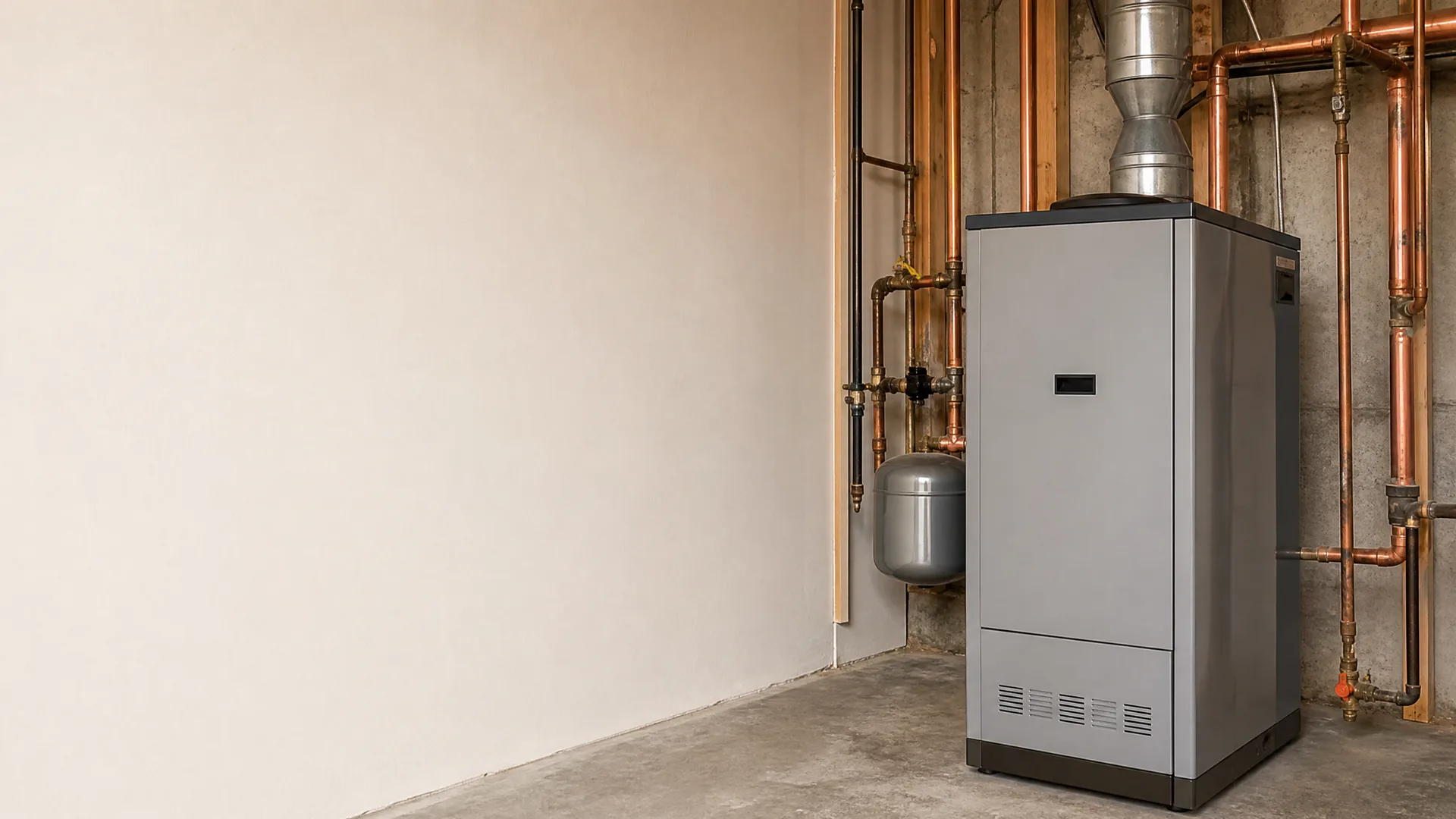
A boiler's expansion tank and pressure relief valve are built to handle normal swings in pressure as the water heats and cools, so a small leak won't show up as a sudden crash on the gauge. It shows up as the needle sitting a little lower each week. If your system gets used most of the year here, that slow drift is easy to write off until the boiler stops firing because the pressure's too low to read as safe.
You top up the pressure, it holds for a day or two, then drops again, and somewhere you've heard that trapped air is the real problem. Bleeding a radiator is something you can do yourself, so it's a reasonable first thing to try before calling anyone out, especially if one radiator upstairs has been cooler than the rest.
Air in a radiator and water leaving the system are two different problems, and bleeding only deals with the first one. If a radiator is cold at the top and warm at the bottom, there's air trapped in it, and letting that out with the bleed key will fix the cold spot. But if your boiler keeps losing pressure week after week, the water has to be going somewhere, and no amount of bleeding puts it back. If you bleed a radiator and the gauge drops further afterward, that's expected, you've just let pressurized water out along with the air. The leak itself still needs finding.
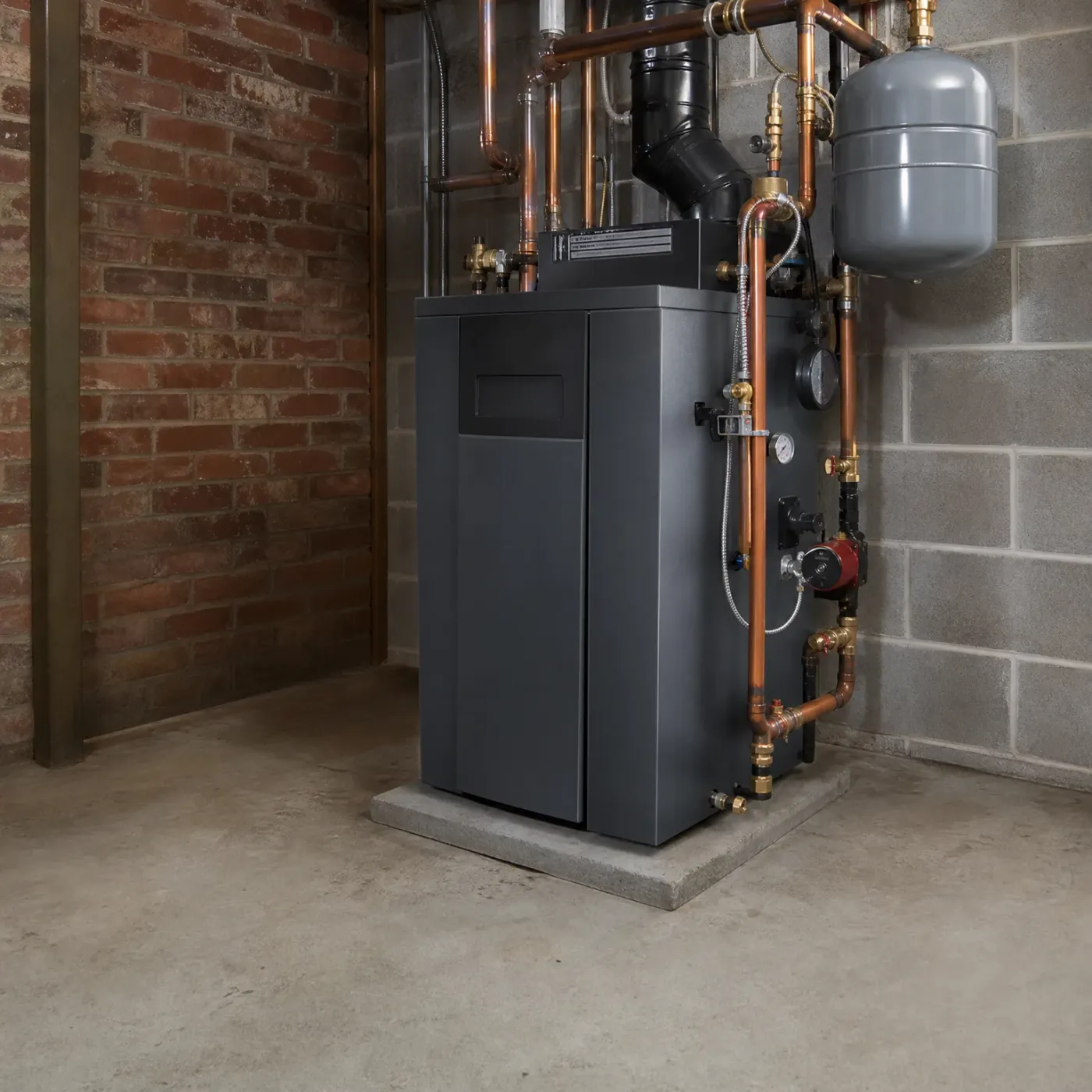
The gauge sits where it should, the pipes and fittings are dry, and the expansion tank is doing its job. A boiler built like this, with the valves and unions kept tight, can run all winter without you touching the pressure once.
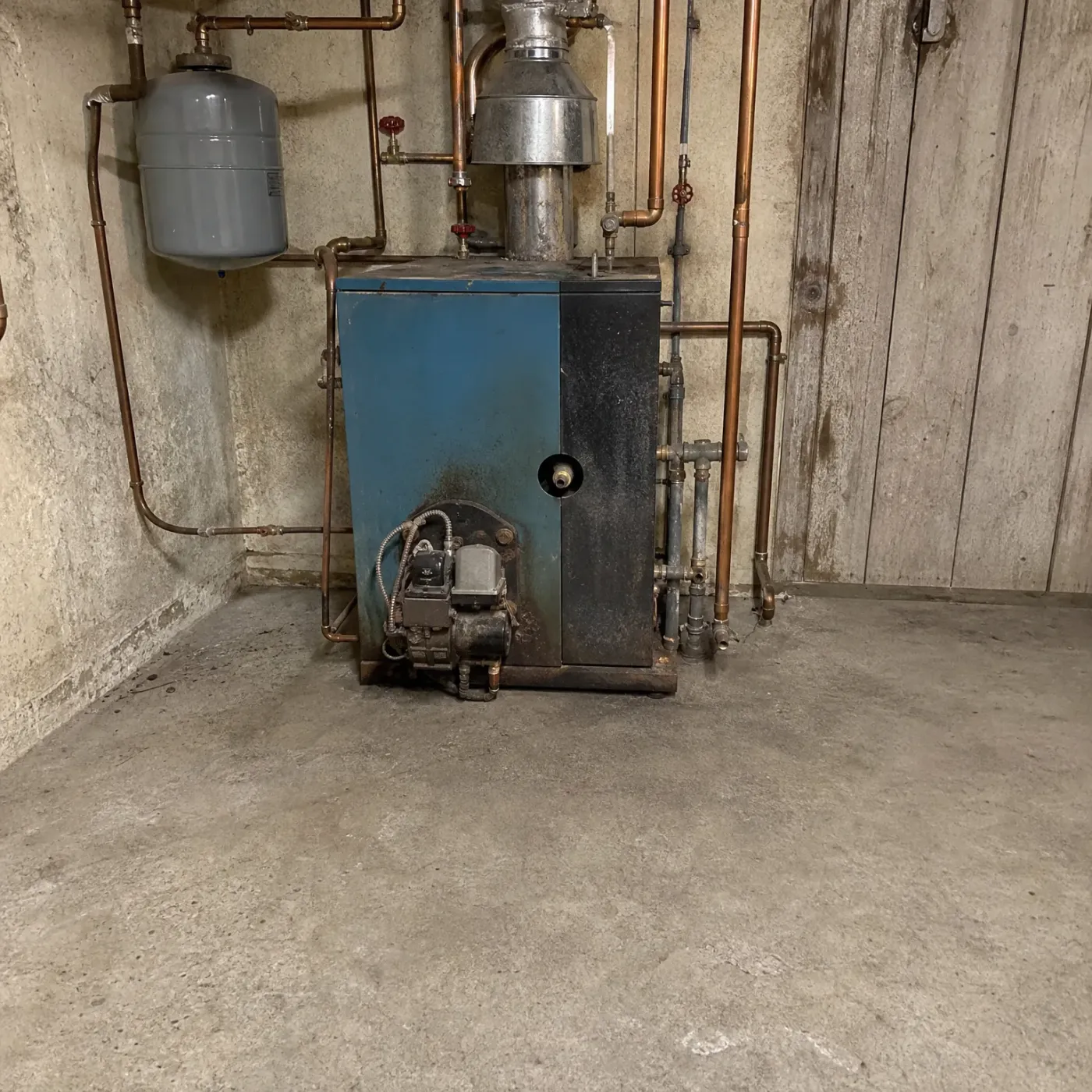
Older boilers like this one have had more years for a valve or fitting to start weeping, and more joints that have been opened and closed over time. Once a seal starts to give, the pressure drop usually isn't a one-time thing.




The pro who reaches out is licensed in Utah.
Send it once and finding someone is no longer on you.
You're not committing to anything by asking.


A boiler that loses pressure isn't just a number to watch on the gauge. It's heat that stops coming when you need it most, on a January night when the furnace is doing the only job that matters. The water causing the drop doesn't always show itself. It can travel behind a wall or under a floor boards away from where it's actually leaking, so by the time you see a stain, it's been going on for a while. Adding water back in gets you through the evening, but it doesn't touch whatever's letting water out, and the next drop comes anyway. Left long enough, that same water sits on fittings and valves and starts to corrode them, which turns a seal or a union into something bigger. Most houses here run on gas, and the safety switch that watches your heat exchanger will shut the whole thing down the moment pressure gets too low. At that point it isn't losing pressure anymore. It's a boiler that won't fire until someone finds where the water's going.


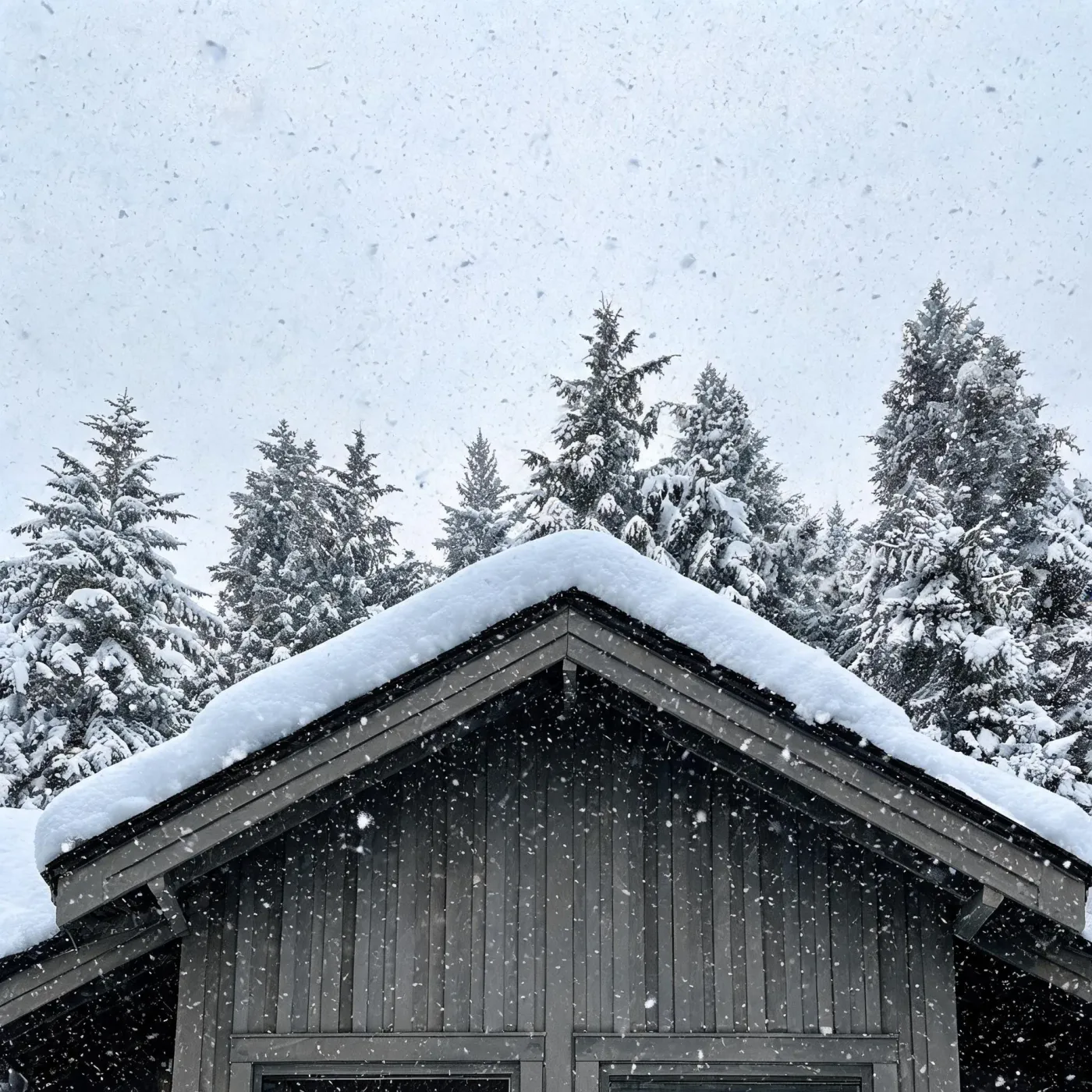
Winter nights average 21°F statewide, according to NOAA climate data. At that temperature your boiler is firing often, sometimes running most of the night to keep the house warm. Every one of those cycles pushes water through the pump seal and the fittings that have already started weeping. A slow leak that might hold steady in October starts losing ground once the cold settles in, because the boiler simply runs so much more to keep up. That's why pressure that seemed fine in fall can drop fast by December, and why a leak worth fixing in warmer weather becomes one that leaves you without heat on the coldest nights.
NOAA nClimDiv 1991-2020 county normals weighted by homes


Pressure drops low enough that the boiler's switch senses it
The switch cuts power to the burner and shuts the boiler down
A contractor pressure tests the system to find where it's leaking
The leak gets repaired and the system is refilled to the right pressure
At 21°F your boiler isn't cycling on and off, it's running long stretches to hold the house at temperature. Each of those long runs keeps water moving past the pump seal and through every fitting, and a seal or joint that's starting to give will lose a little more each night.
NOAA nClimDiv 1991-2020 county normals weighted by homes
Low pressure is water leaving the system somewhere, and the gauge keeps telling you that until someone finds the spot and closes it. Topping it up buys you a day or two, not a fix. Through a Utah winter, with nights averaging 21°F and the boiler running long stretches to hold your house at temperature, that leak point is under more strain than it ever sees in summer. That's when a pump seal or a fitting that's been slowly giving out finally lets go enough to matter.
A pressure test is what turns "somewhere in the system" into an actual spot, so the repair goes where the problem is instead of guesswork opening up walls or pulling fittings apart that were never the issue. Once that joint or seal is repaired and the system is refilled to the right pressure, there's nothing left pulling the gauge down, and it holds for the rest of the season.
The contractor who gets your request works on boilers through Utah winters every year and has a good sense of which fittings and seals tend to go first in a system like yours. Your request goes to that one licensed, local contractor, not out to several companies at once, so you're dealing with a single contractor who already knows the kind of leak this usually is, not a string of calls to sort through.





Only one pro gets your request, so you hear from one company.
It costs nothing to send, and you don't have to hire anyone.