Cold radiators usually mean air trapped in the line, not a dead boiler. Hot water can't push past an air pocket, so the top of the radiator stays cool while the bottom warms up, or the whole thing stays cold. Bleeding the valve lets the air out and lets water fill the space. If bleeding doesn't fix it, the problem is further back: a circulator pump that isn't moving water, a zone valve stuck shut, or sediment settled inside the radiator itself. A boiler with low water pressure will also fail to push heat out to the far radiators first, so a unit at the end of the line going cold while ones near the boiler stay warm points to pressure, not a bad radiator. Any of these leaves part of the house without heat on the nights you need it most.
Circulating the way it should
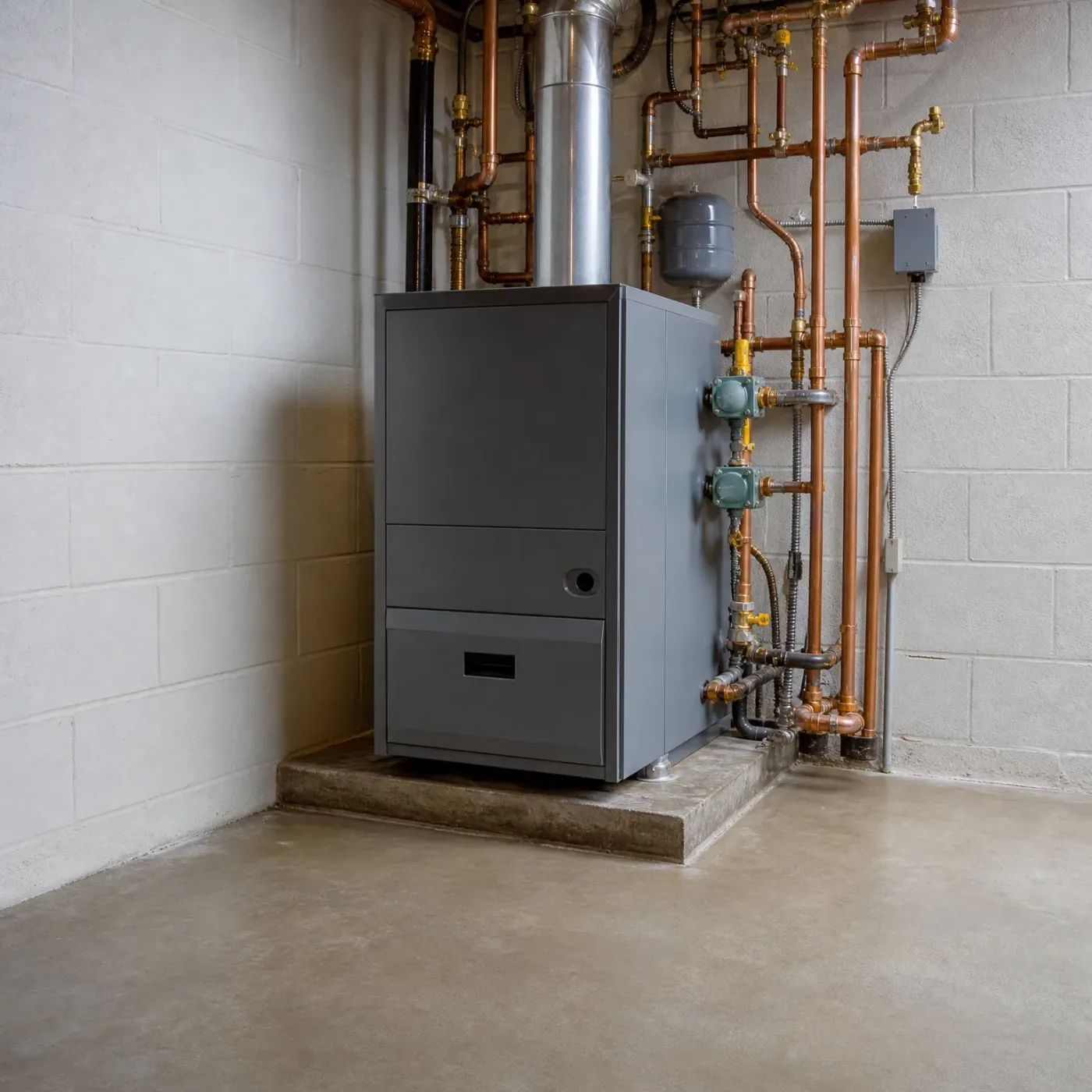
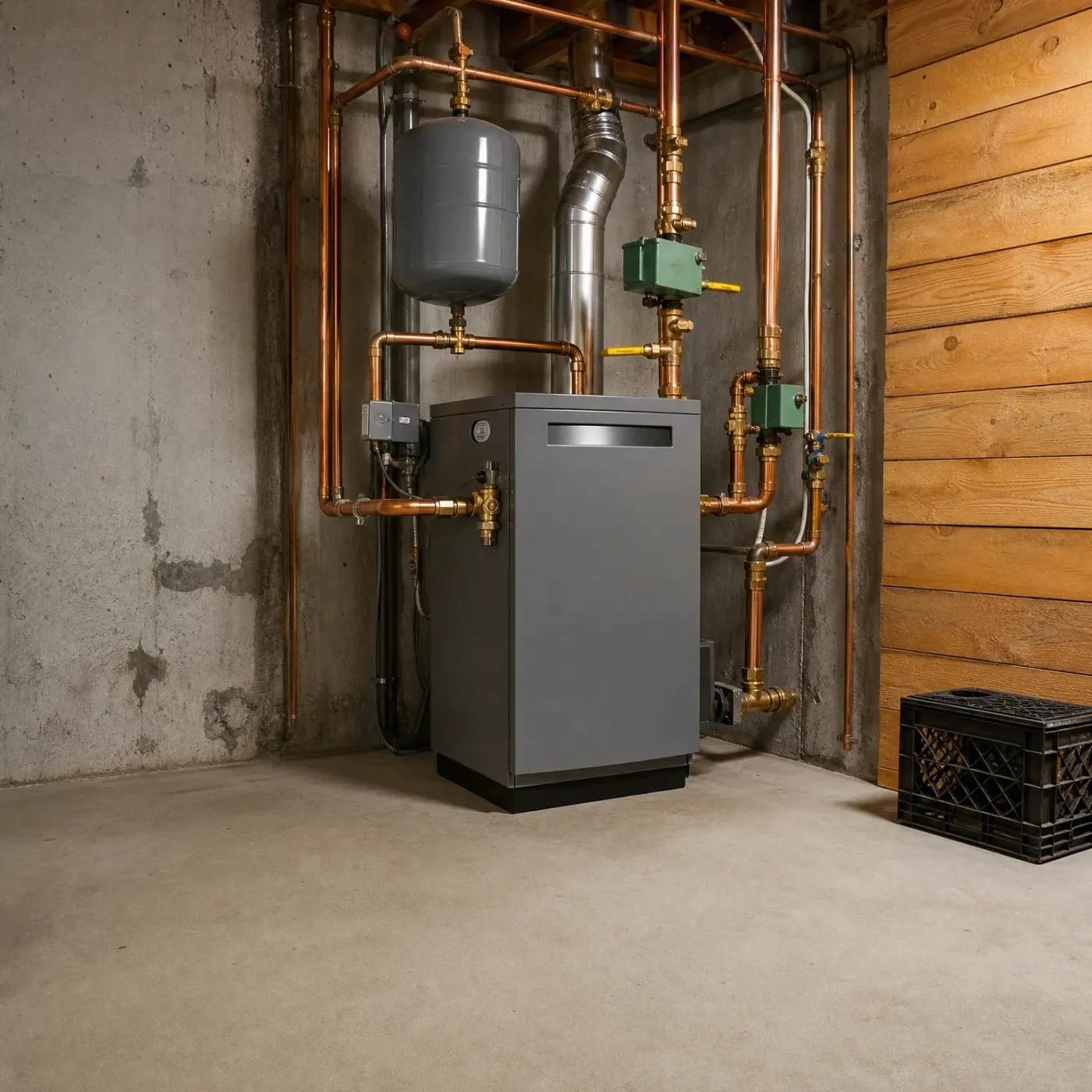
When the boiler is working, water moves through the whole loop without a fight. Every radiator in the house gets hot, top to bottom, and stays that way until the thermostat shuts it off. The pipes and fittings hold pressure instead of leaking it off slowly.
When the system can't keep up
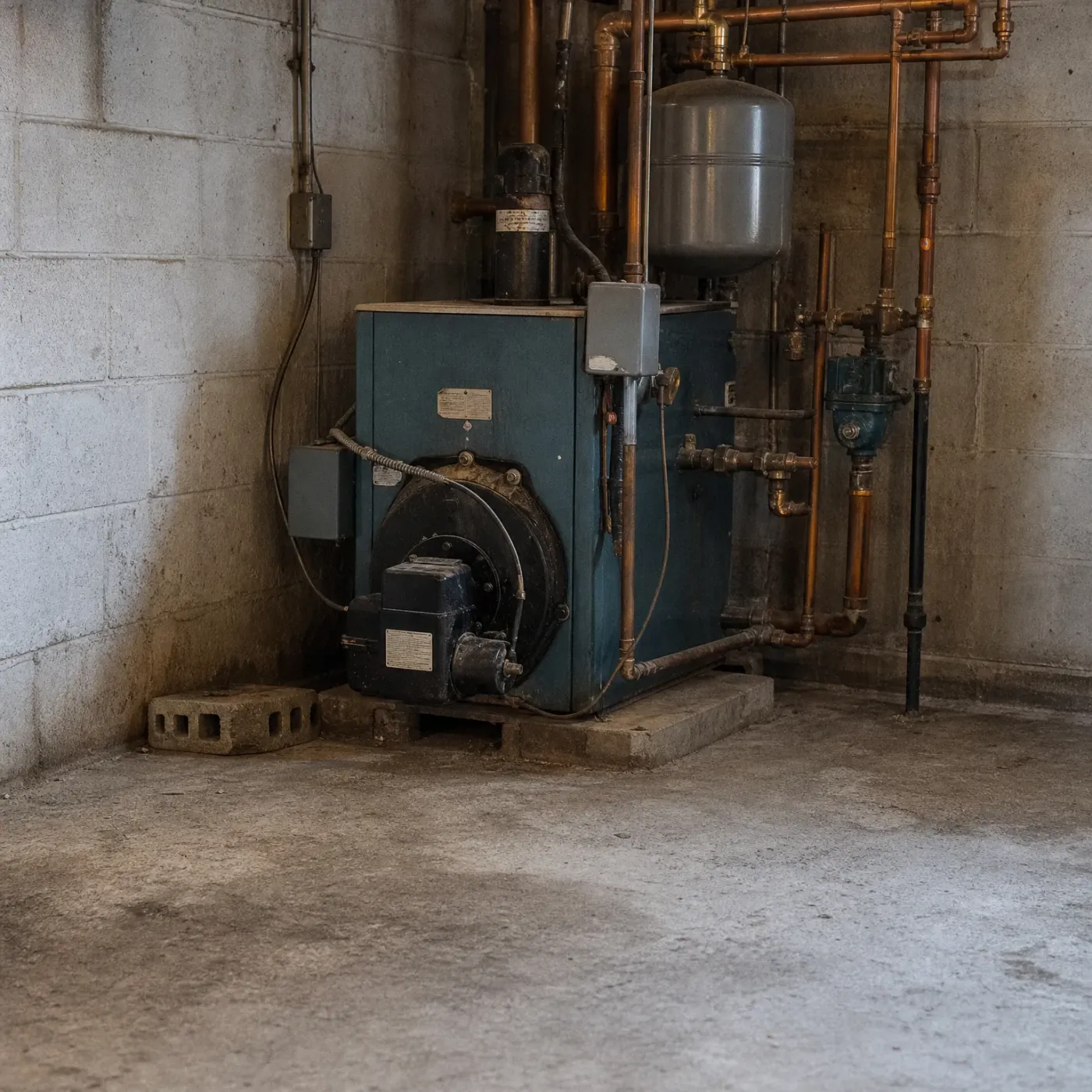
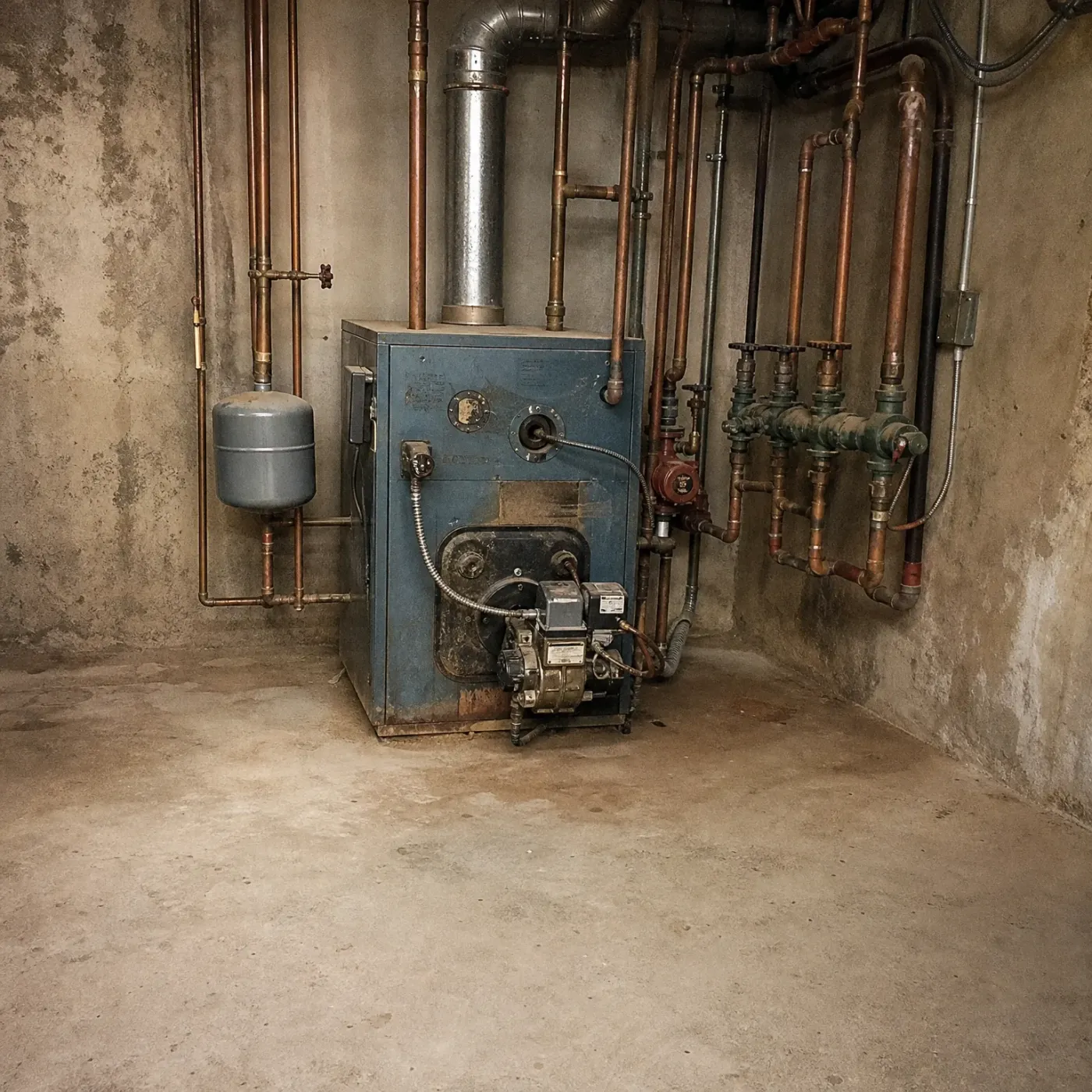
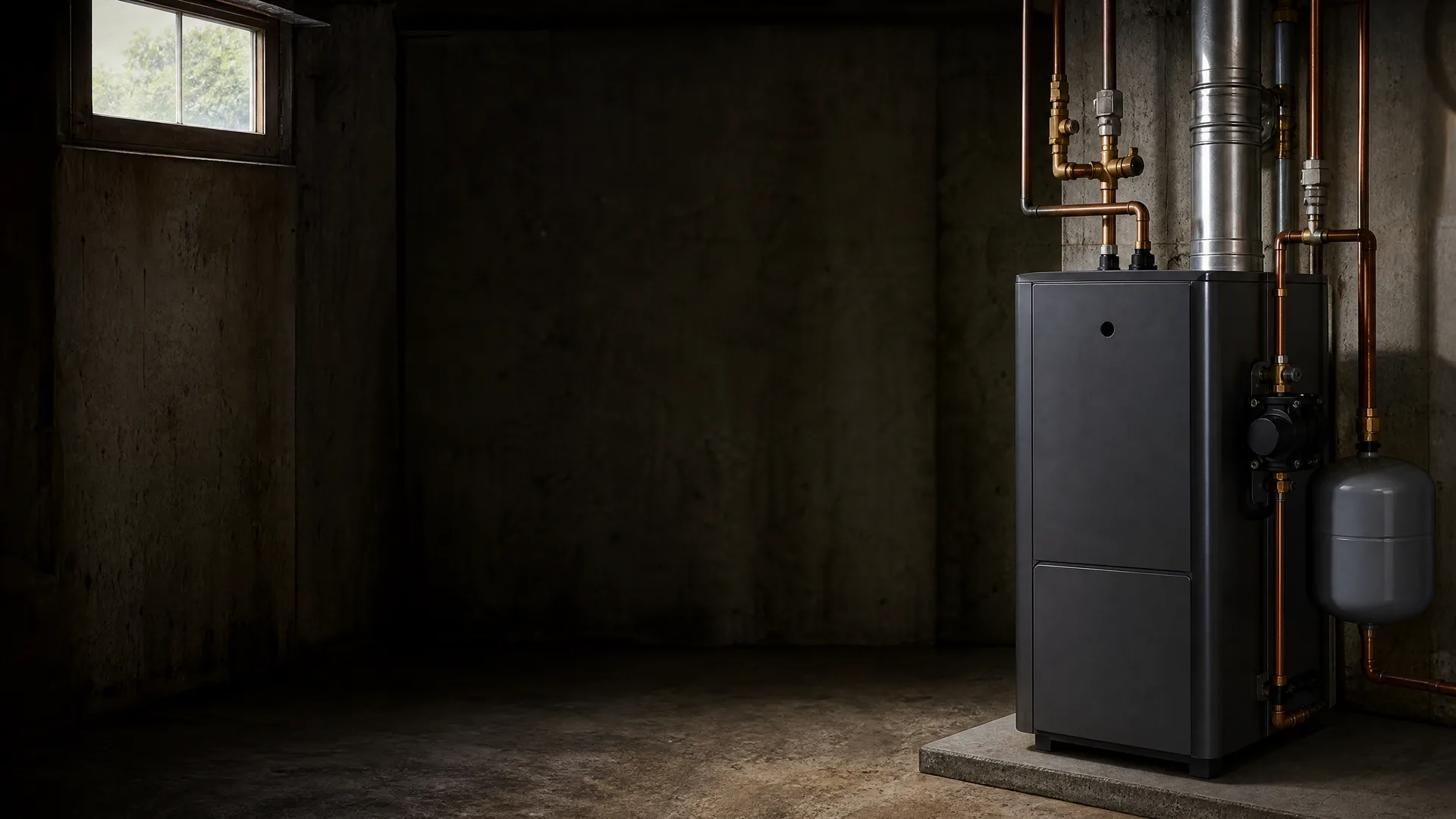
An older boiler like this one has had years to build up sediment in the lines and corrosion in the fittings. That buildup blocks flow the same way trapped air does, so bleeding the radiator won't fix it. A contractor can tell whether it's a clog, a failing pump, or the boiler itself.
Why Heat Stops at the Radiator
A zone valve stuck shut can cut off one radiator or a whole loop while the rest of the house heats fine.
Boilers need water pressure near 12 to 15 psi; if it drops low, the circulator can't push water out to the radiators.
The circulator pump itself can fail, and when it does, the boiler fires but nothing moves through the pipes.
Sediment settles inside an old radiator and blocks water from reaching the top, so only the bottom few inches feel warm.
A thermostat wired to the wrong zone will call for heat in one room while the cold radiator sits in another.
The bleed valve on top of each radiator is the one part a homeowner can open and close without tools.
A boiler can be running fine and still leave a radiator cold, because the problem usually sits between the boiler and that radiator, not inside the boiler itself. Every radiator in the house is tied to a zone, and each zone has its own valve. If that valve sticks shut, the boiler keeps firing and every other zone heats up while that one loop gets nothing. Pressure matters too. A boiler system wants to sit around 12 to 15 psi, and if it drops below that, the circulator pump doesn't have enough force to push water out through the far end of the loop. The circulator itself can also just wear out. When that happens the boiler still lights, the gas still burns, but nothing actually moves through the pipes, so every radiator in the house stays cold at once instead of just one. Inside an old radiator, sediment settles at the bottom over the years and builds up enough to block water from reaching the top sections, which is why some radiators run warm low and stay cold up high. Wiring mistakes cause the same complaint from a different direction. A thermostat wired to the wrong zone calls for heat in a room that's already warm while the actual cold room gets ignored. The one thing a homeowner can check without any tools is the bleed valve on top of the radiator itself.
A boiler that's losing pressure, a stuck zone valve, or a circulator pump on its way out all look the same from where you're standing: a cold radiator and a house that won't warm up. Figuring out which one it is means checking the pressure gauge, listening to the pump, tracing which zones are affected, and most homeowners don't have the tools or the reason to learn that for one winter. A boiler tech who works on these systems all season in Utah has likely seen your exact setup before, knows which parts tend to go first, and can usually tell from a few questions whether this is a quick fix or something bigger. Gas heat here means parts built to run most of the year, and a system that's been fighting air or low pressure for weeks wears harder than one that gets looked at early. Getting matched with one local, licensed contractor who handles this routinely beats guessing at it room by room while the house stays cold.
Why bleeding doesn't always work
Bleeding a radiator only clears air from that one line. If the cold spot comes back after a few days, or shows up in a different radiator each time, the air is getting pulled in somewhere else, often at the circulator pump or a fitting that's lost its seal. A boiler that needs bleeding every week isn't short on patience from whoever's doing it. It's telling you there's a leak or a pressure problem feeding it new air faster than you can let it out.
What a pressure gauge tells you
Most boilers run best between 12 and 15 psi, and the gauge is usually right on the front of the unit. Below that range, the circulator struggles to push water out to the far radiators, so the ones closest to the boiler heat fine while the rest stay cold. Above it, water can force its way past the air vents and leave puddles under the unit. Checking that number takes a few seconds and points you toward whether this is a water problem or an air problem before anyone opens a valve.
Winter nights average 21°F statewide
At 21°F overnight, a boiler can't take a night off. A radiator that stays cold even a few hours leaves rooms without heat while everyone's asleep, and the pipes themselves sit that much closer to freezing if the problem goes unfixed.
NOAA nClimDiv 1991-2020 county normals weighted by homes
A cold radiator in January means someone layers up at home instead of just setting the thermostat and moving on with the day. If it's in a bedroom, that's a cold room all night.
Leave a stuck zone valve or a failing circulator alone and it doesn't fix itself. The cold spot spreads to more radiators, and the boiler works harder to heat less of the house.
Before you get your boiler repairAfter you get your boiler repair
One radiator cold
A single stuck zone valve or an air pocket in that line can leave one room cold while the rest of the house heats fine. Often the easier fix.
Air in the line, a stuck zone valve, low pressure, a circulator pump giving out. Whatever it is, it's one of those, and each one shows itself differently depending on whether it's a single room or the whole house that's cold. You don't need to guess which. Someone who works on boilers all winter in Utah has seen all four and knows what to check first.
Getting matched means a local contractor who services this kind of system looks at your specific setup, not a general callout. You'll hear from one contractor, not several competing for the job, so there's no round of calls to sort through. Just someone who knows boilers reaching out to figure out why your radiators have gone cold and what it takes to get them circulating again.