Tell us about the job
Takes about a minute. No obligation.
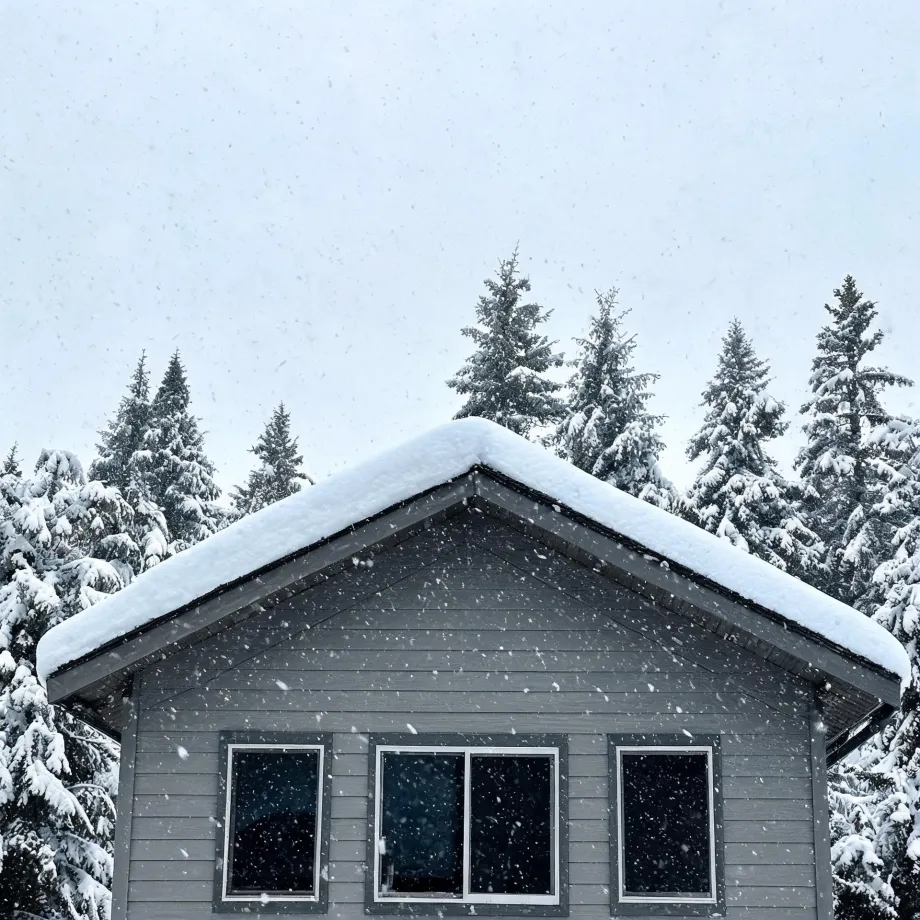
Sizing and install quality are not abstract concerns here because the equipment carries a real and extended load. Homes in Carbon County, UT run heat about nine months a year, from September through May. A boiler cycling through a season that long accumulates wear on its heat exchanger, burner assembly, and ignition system in ways that a sloppy installation accelerates fast. Contractors sizing a new boiler for a Carbon County home have to run a proper load calculation for the structure, not lift a number from the old unit's nameplate, because an undersized boiler working at its ceiling all season will show it in the heat exchanger well before its time.
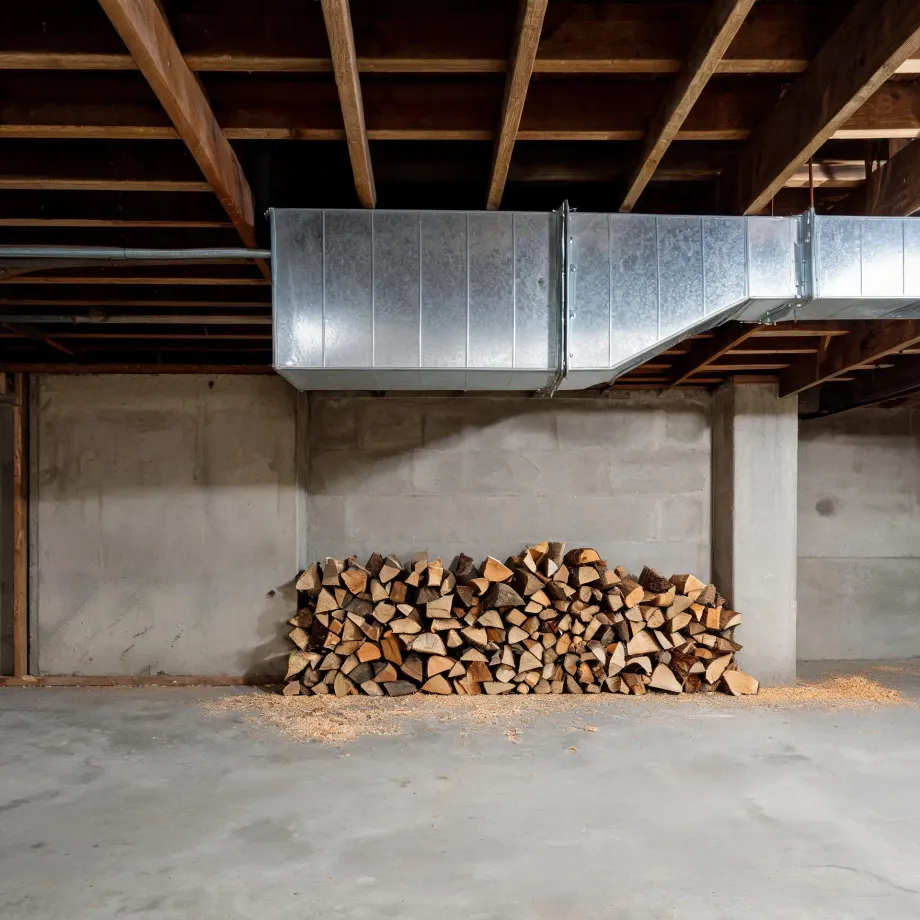
Ductwork laid for an older heating system carries assumptions about flow, sizing, and routing that a replacement boiler does not inherit automatically. Half the homes in Carbon County, Utah were built in 1972 or earlier (2020-2024 ACS 5-year). A contractor installing a new boiler in stock like this checks what those existing runs actually deliver to each room, and whether the distribution layout suits the new unit's output. If the ductwork falls short, that work gets scoped and priced before the boiler itself is selected.
What Gets Installed With a New Boiler
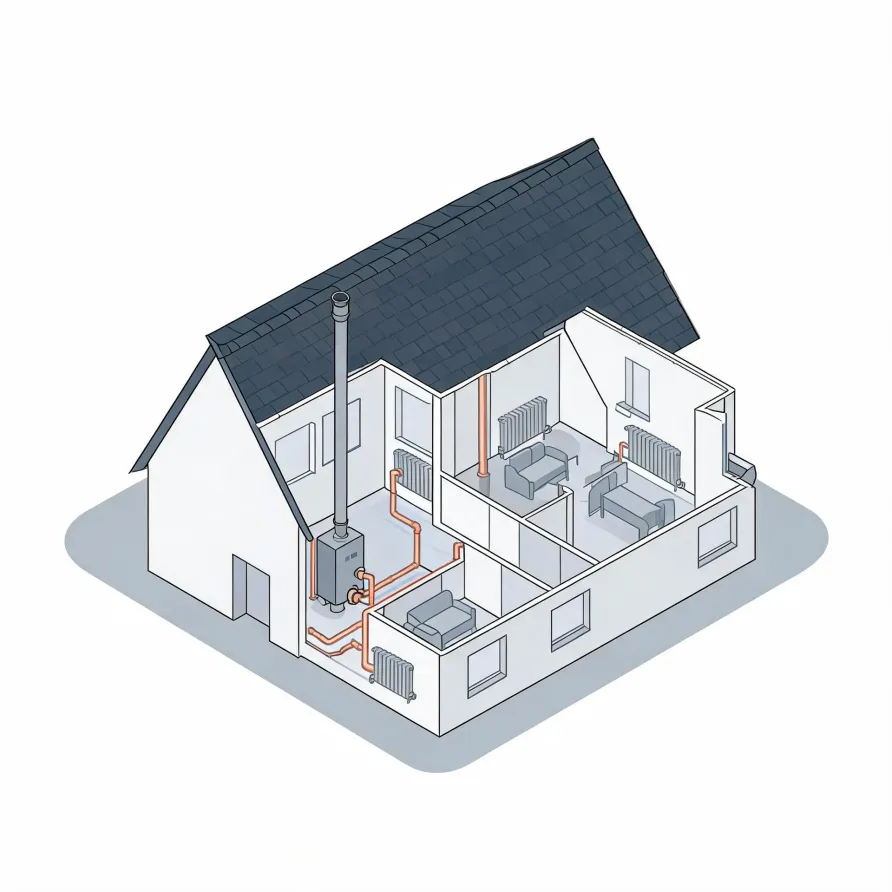
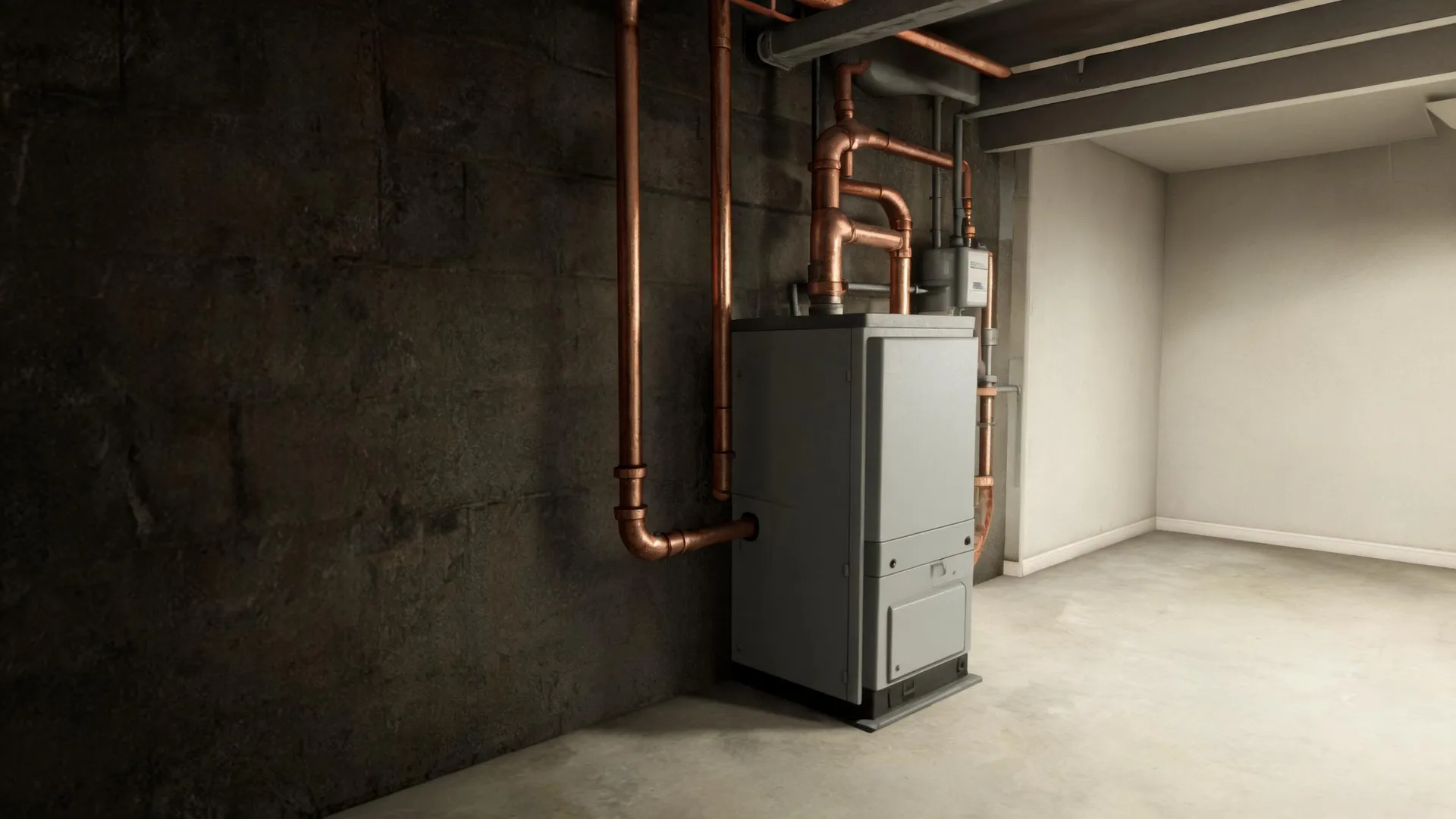
The boiler itself sits in a mechanical room, basement, or utility closet and is the heat source for the whole system. A contractor mounts it to the floor or wall, connects it to a gas or oil supply line, and ties it into the home's plumbing. That unit is what a homeowner sees when they open the mechanical room door.
From the boiler, supply pipes run through the house to radiators, baseboard units, or radiant floor tubing in each room. An expansion tank connects near the boiler to handle pressure changes in the water, and a circulator pump moves heated water through those pipes and back again.
The drawing shows a typical layout, and a licensed contractor determines exactly how each piece applies to your home.
Find a contractor in Carbon CountyCarbon County, by the numbers
46 severe weather events were recorded in Carbon County, Utah between 2015 and 2024.
NOAA National Centers for Environmental Information, Storm Events Database, bulk CSV export, events 2015-01-01 through 2024-12-31.Half the homes in Carbon County, Utah were built in 1972 or earlier (2020-2024 ACS 5-year).
U.S. Census Bureau, 2020-2024 American Community Survey 5-Year EstimatesCarbon County, Utah holds 9,669 housing units (2020-2024 ACS 5-year).
U.S. Census Bureau, 2020-2024 American Community Survey 5-Year EstimatesOwners occupy 67.9% of the occupied homes in Carbon County, Utah (2020-2024 ACS 5-year).
U.S. Census Bureau, 2020-2024 American Community Survey 5-Year EstimatesCodes & Standards Governing Boiler Installation in Carbon County, Utah2 sourced rules and standards
Licensing and Legal Requirements in Carbon County, Utah
Utah’s contractor licence does not reach alteration, repair, remodelling or improvement of a building worth less than $7,000 in labour and materials together, counting every change and addition to the agreed work — though the plumbing and electrical trades are pulled back under licensure even below that figure.
Utah requires a state licence before engaging in a licensed construction trade or contracting activity, and HVAC contractor is one of the licence classifications the state issues.
Severe Weather Events in Carbon County
Carbon County's weather puts real demands on heating equipment, and those demands shape what a boiler needs to handle over its working life. A contractor sizing and installing a system here works from local conditions, not generic ones.
46 severe weather events, 2017–2024. Source: NOAA National Centers for Environmental Information, Storm Events Database.